
Top 4 Landscape Concrete Projects That Transform Your Backyard
Discover how landscape concrete projects can revolutionize your outdoor space. This article unveils the top projects that not only enhance aesthetics but also add functionality to your backyard through sustainable and creative uses of concrete. Concrete has long been celebrated for its versatility and durability, characteristics that make it a popular choice for outdoor renovations. By incorporating concrete into backyard designs, homeowners can enjoy stylish, long-lasting, and low-maintenance outdoor features. Here, we explore six transformative concrete projects that can elevate your outdoor space into a captivating backyard oasis.
Concrete Patios as a Backyard Centerpiece
Design and Aesthetic Ideas
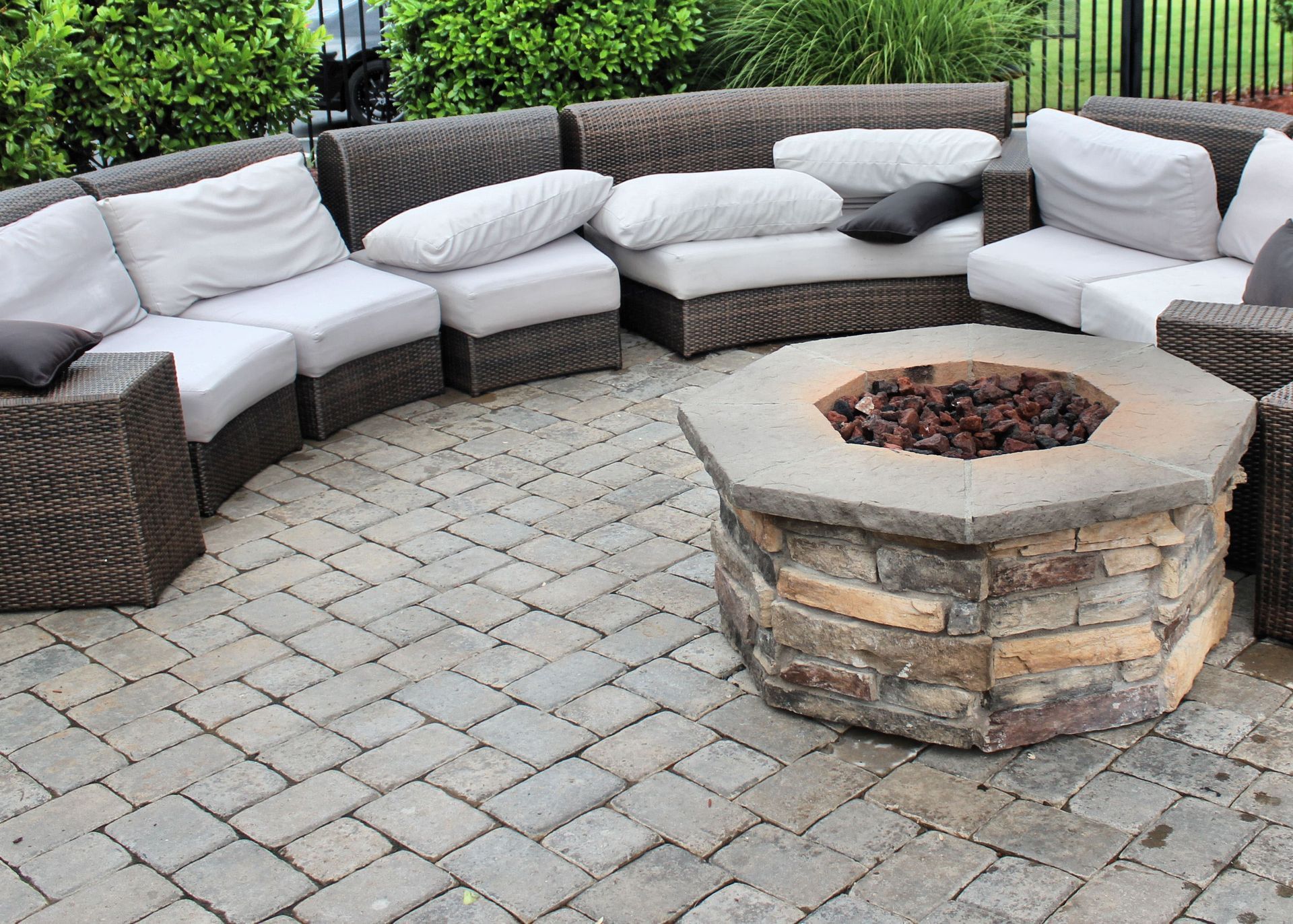
Concrete patios serve as the heart of outdoor gatherings, providing a robust platform that can accommodate a variety of functions. Whether you envision an elegant dining area or a cozy, fire-lit setting, concrete offers a stable foundation for creative designs. Modern aesthetics often incorporate clean lines and geometric shapes, while more traditional styles may use curves and decorative finishes. Homeowners can choose from a vast range of options to customize their patios, from stamped patterns to inlaid tiles that enhance visual appeal. The adaptability of concrete allows for the personalization necessary to match any architectural theme or personal style.
The flexibility in design ideas is complemented by the diverse color options available in concrete. Through the use of stains or dyes, concrete can mimic the appearance of more expensive materials such as stone or wood. Texturing concrete can also influence its visual and tactile properties, imitating natural surfaces or incorporating unique artistic impressions. Color and texture combinations can be tailored to complement existing landscaping or home exteriors, blending seamlessly into the environment. By employing innovative techniques and materials, homeowners can craft a patio that reflects their unique aesthetic preferences. Many landscape concrete contractors recommend combining stamped textures with warm-toned stains for added visual interest.
Durability is a defining feature of concrete, making it ideal for outdoor settings constantly exposed to weather fluctuations. The rugged nature of concrete means it can withstand heavy foot traffic and resist staining, reducing overall maintenance needs. Simple cleaning routines, such as periodic washing and sealing, can extend the lifespan of a concrete patio, preserving its appearance for years. Additionally, convenient integration with landscaping elements, like built-in seating or planters, further capitalizes on the patio's functional potential. According to the National Association of Home Builders, 86% of prospective homebuyers desire a patio, citing outdoor areas as an extension of limited indoor space. Consulting landscape concrete contractors can also help ensure proper installation and long-term durability.
The Versatility of Concrete Pathways
Pathway Layout Styles
Concrete pathways guide the flow of movement in a backyard, serving both practical and aesthetic functions. Various layouts can be designed to suit different landscaping goals, from meandering garden trails to directly engineered walkways leading to focal points. Curved pathways tend to offer a relaxing, leisurely journey through lush greenery, while straighter paths suggest a formal, organized presentation. By selecting appropriate pathway forms, homeowners can effectively navigate terrain and unify separate garden areas. Flexibility in design ensures that these pathways enhance rather than detract from the natural beauty of the backyard. Many landscape concrete contractors help homeowners determine which style best complements their space.
Decorative finish options for concrete pathways further expand the possibilities for personalization. Basic finishes include broom finish for slip resistance or salt finish for added texture. More elaborate decorative techniques, such as stamping or engraving, replicate high-end materials without the associated costs. Pathways can be bordered with materials like bricks or stones to define their edges, adding contrast and refinement. By tailoring finishes, homeowners can achieve a balance between aesthetic objectives and functional requirements, crafting pathways that seamlessly integrate with their outdoor environment.
Safety and accessibility are crucial considerations when designing concrete pathways. Ramps or gently sloped paths can ensure access for all individuals, including those with mobility challenges. Anti-slip treatments or patterned finishes enhance grip, reducing the risk of accidents due to wet surfaces. Incorporating lighting and borders not only accentuates pathways during daylight but also ensures safe navigation during nighttime. Ambient lighting incorporated into the ground or alongside the path helps maintain a safe, inviting atmosphere. DIY enthusiasts can follow straightforward installation tips to create high-quality pathways while considering these important aspects. Seeking guidance from experienced landscape concrete contractors can also enhance safety and aesthetics.
Concrete Retaining Walls for Structure and Style
Functional Benefits of Retaining Walls
Concrete retaining walls serve a dual purpose of structural integrity and aesthetic appeal within a backyard. They are typically employed to prevent soil erosion and manage elevation changes, essential for maintaining an organized and secure landscape. Beyond their practical roles, retaining walls also contribute to garden aesthetics, often becoming a distinguished feature in their own right. The robust quality of concrete guarantees long-term stability against earth pressures and weather elements. By blending functionality and style, these walls offer both support and visual enhancement in outdoor settings.
Designers have numerous artistic approaches at their disposal when constructing concrete retaining walls. Traditional masonry techniques deliver timeless elegance, utilizing textured or stamped concrete to replicate the appearance of natural stone. Contemporary designs might prioritize sleek surfaces and minimalist geometries, suitable for modern aesthetic preferences. Retaining walls can also incorporate niches or ledges to host plant life, creating vertical gardens that add greenery to otherwise hard surfaces. These design strategies contribute to the broader harmony and balance within the landscaping framework, ensuring cohesive backyard aesthetics.
Building a retaining wall necessitates careful attention to materials and engineering principles. Appropriate reinforcement with rebar or mesh is vital to counteract the loads exerted by the retained earth. Proper drainage solutions, such as gravel backfills or drainage pipes, mitigate water pressure and extend the wall's lifespan. Choosing high-quality concrete mixes can further enhance the wall's strength and resistance to weathering. Additionally, strategic planting choices, such as deep-rooted perennials near retaining walls, minimize erosion while promoting plant health. Adequate maintenance ensures these structures remain both beautiful and functional over time, reflecting thoughtful design and execution.
Transforming Spaces with Concrete Water Features
Types of Water Features for Backyards
Concrete water features introduce tranquility and sophistication to a backyard landscape, creating focal points that attract attention and intrigue. Options range from simple fountains to elaborate pond designs, each offering distinct visual and auditory experiences. Fountains, known for their space efficiency, are ideal for small gardens, while large ponds or waterfalls suit expansive outdoor areas. Versatile in design, these features can be customized with varying heights, cascades, and water flows to achieve the desired ambiance. Selecting the right type often depends on spatial constraints, aesthetic preferences, and overall garden theme.
Concrete's resilience in aquatic environments is a noteworthy advantage, providing sturdiness and leak resistance for water features. However, integrating concrete into aquatic design involves navigating pros and cons. One limitation is its potential susceptibility to cracking under extreme temperature shifts, necessitating proper installation and maintenance. On the upside, concrete’s ability to be formed into any shape allows for innovative and unique design implementations. Whether choosing to highlight movement with intricate channels or mimic natural pools, concrete's versatility supports a wide range of creative expressions. Many homeowners rely on landscape concrete contractors to help bring these distinctive water feature designs to life.
Incorporating concrete into your backyard landscape can dramatically enhance both its look and functionality. From patios to pathways, and fire pits to outdoor living areas, the versatility and durability of concrete make it an ideal choice for transformative outdoor projects. By exploring the options detailed in this guide, you can create a backyard oasis that is uniquely yours and stands the test of time. Concrete offers not only a practical solution to enduring outdoor spaces but also invites creative expression in design. By selecting appropriate concrete applications, homeowners can achieve both style and substance in their outdoor renovations, setting the stage for years of enjoyment and increased property value.
With thoughtful planning and execution, concrete projects become the cornerstone of a truly transformative backyard experience. If you're looking for professional landscape concrete contractors, make sure to contact Prairie Homes today!
Share On: