4 Ways to Create a Relaxing Outdoor Oasis With Landscaping

February 11, 2026

A relaxing outdoor oasis is not defined by how large or expensive a yard may be. What matters most is how the space makes you feel when you step outside and take a moment to pause. With the right landscaping choices, an ordinary outdoor area can become a place where the pace of daily life slows down and quiet moments feel easier to find. Thoughtful layouts, natural textures, and intentional details all contribute to a sense of ease that invites you to stay outside longer. Even the smallest design choices can have a big impact on how restorative and welcoming the space feels.


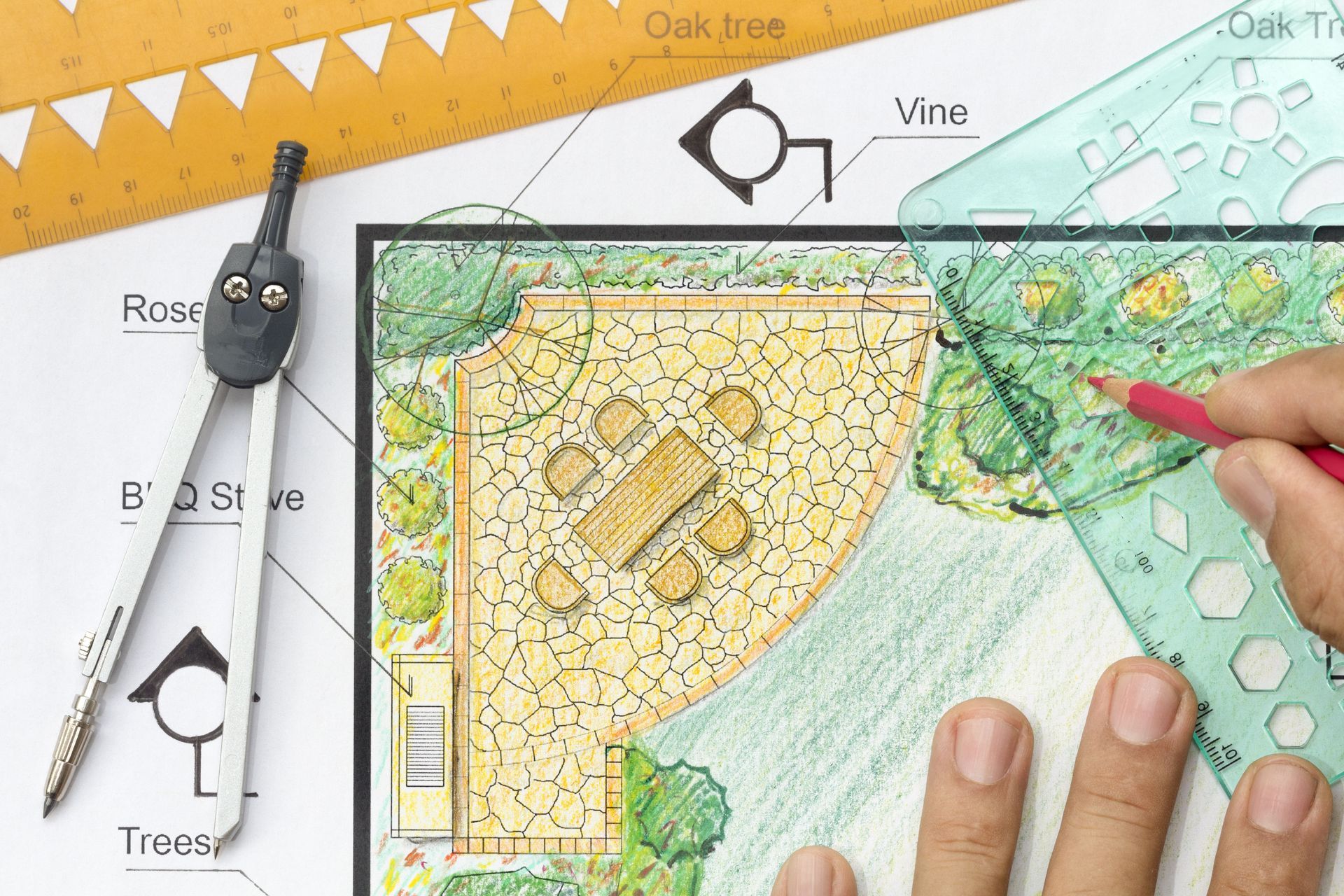
Rather than focusing only on appearance, successful outdoor spaces are designed around comfort and flow. Each element should work together to create balance instead of visual clutter. Professional landscape designing can transform outdoor spaces into calming extensions of the home, offering a setting that supports rest, reflection, and connection with nature. This balance between function and aesthetics ensures the area feels cohesive and inviting year-round.


1. Cultivate Serenity With Strategic Planting Choices

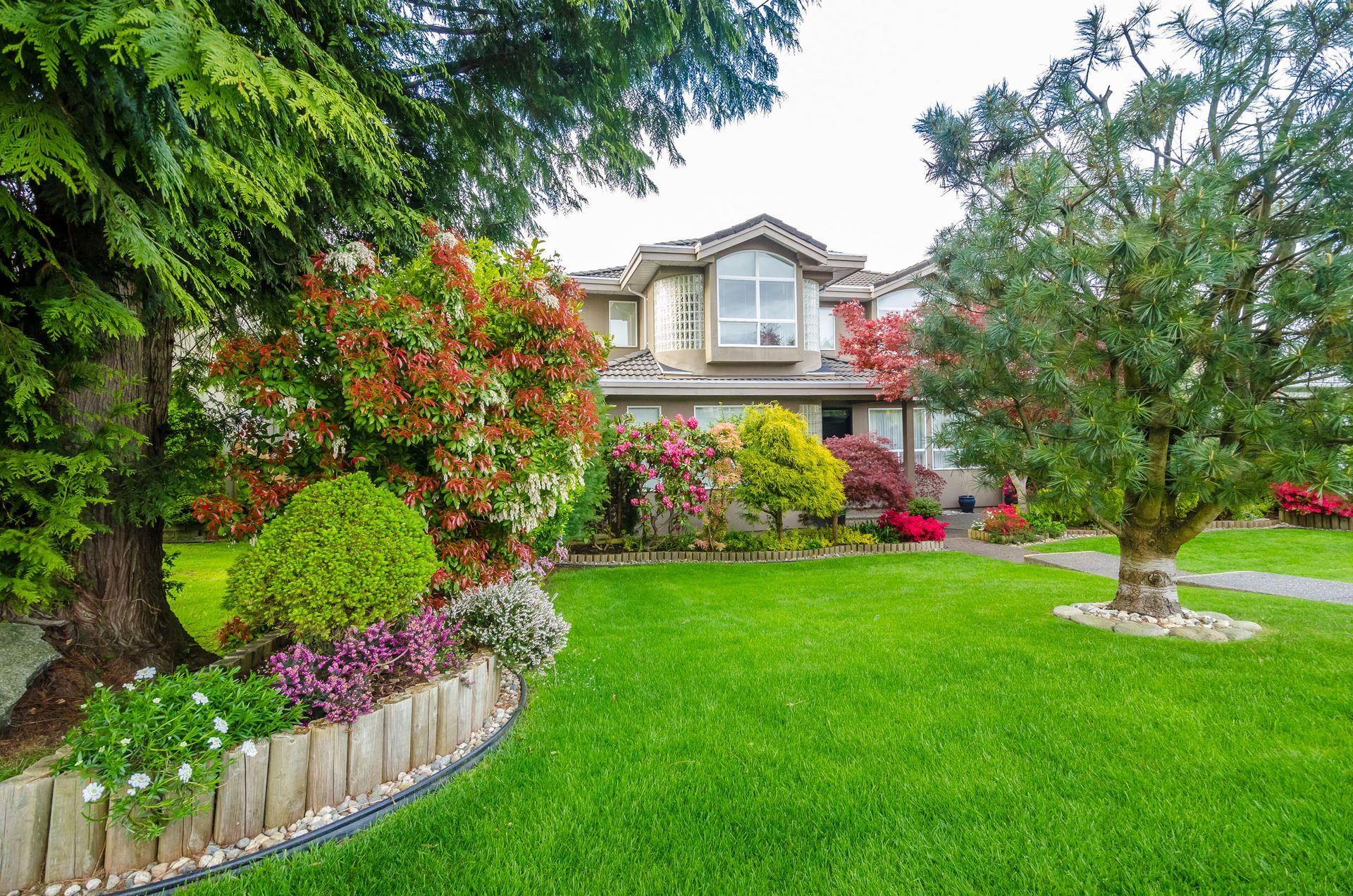
Plants are the backbone of any relaxing outdoor environment, and their arrangement can dramatically influence how a space feels. A thoughtful mix of trees, shrubs, and groundcover creates depth and visual rhythm that naturally draws the eye through the landscape. This layered effect feels more organic than scattered plantings and helps establish a calm, cohesive look. As the plants mature, they create a living, evolving environment that continues to enhance comfort over time.


Color selection also plays an important role in promoting serenity. Soft greens and subtle seasonal accents tend to feel soothing and timeless. When colors complement one another, the space feels harmonious rather than busy, allowing the mind to relax without distraction. Choosing a consistent color palette helps maintain visual unity and prevents the landscape from feeling overwhelming.


Texture adds another layer of comfort to planting design. Fine leaves, ornamental grasses, and gently moving branches introduce soft motion that responds to the breeze. These details add life to the yard while maintaining a quiet, peaceful energy that supports relaxation. Combining different textures also keeps the space visually engaging without disturbing its calm atmosphere.


As homeowners place greater value on outdoor living, professional planning has become increasingly popular. According to IBISWorld, the U.S. landscape design industry's revenue exceeds $9.7 billion. Professional landscape designing services can create outdoor spaces that feel intentional, calming, and enduring. It demonstrates a growing appreciation for the way well-designed landscapes can improve everyday well-being.


2. Build Comfort With Thoughtful Seating Zones

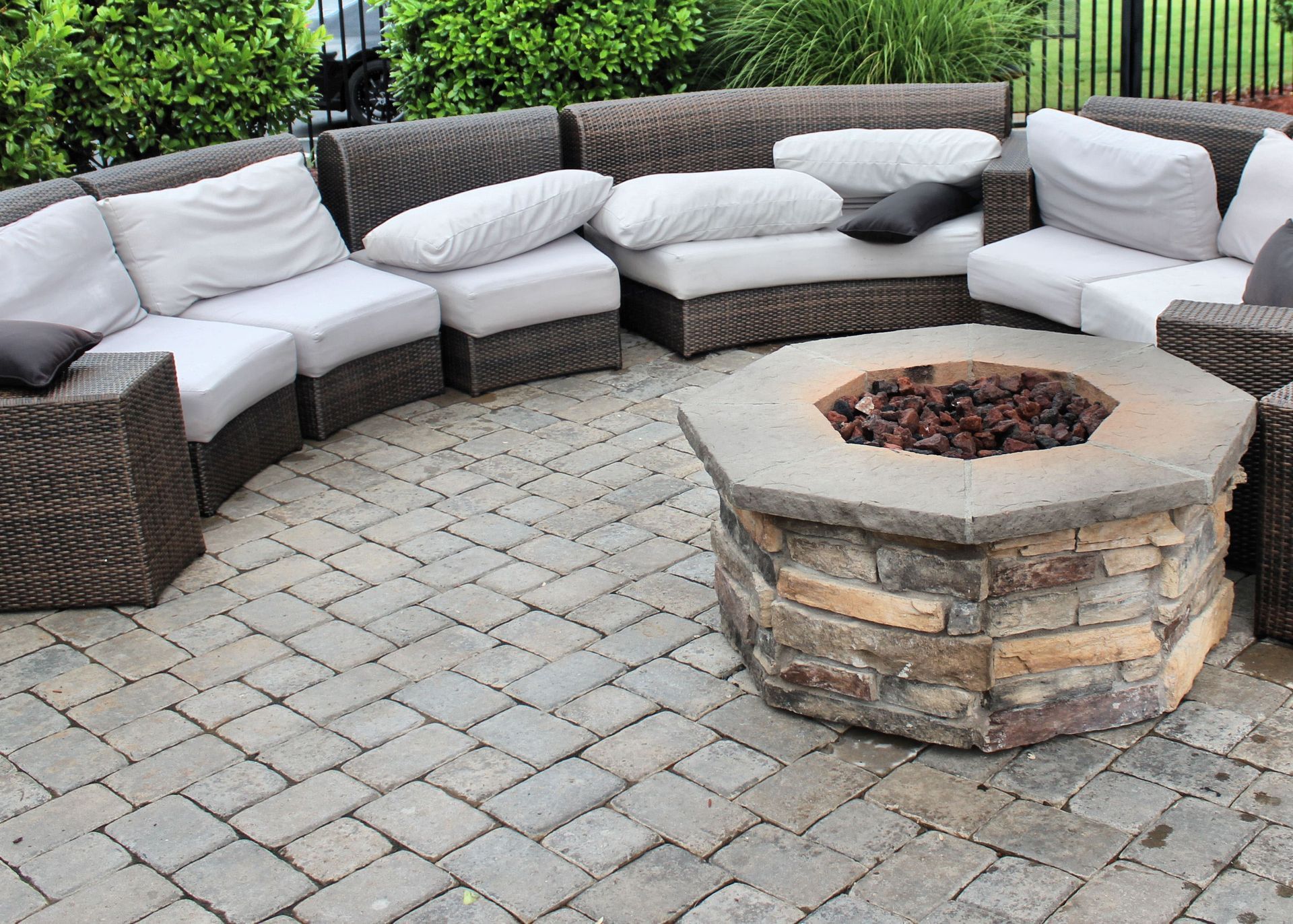
Comfortable seating is essential for turning a landscaped yard into a usable retreat. Without inviting places to sit, even the most beautiful outdoor space may go underused. Seating should encourage relaxation by offering physical comfort and a sense of belonging within the landscape. Cushions, materials, and proportions all influence how inviting each seat feels.


The placement of seating can significantly affect how relaxing it feels. Locations that offer partial shade, protection from wind, or views of greenery tend to feel more restful. Positioning seating to face gardens, trees, or water features helps reinforce a connection to nature rather than nearby structures or streets. Small adjustments in placement can greatly change how comfortable and private a spot feels.


Multiple seating zones add flexibility and support different moods throughout the day. A quiet bench tucked into a corner may be ideal for reading or reflection, while a larger seating area encourages conversation and shared moments. This variety allows the space to adapt naturally to changing needs. It also encourages more time spent outdoors, whether alone or with company.


When seating is considered as part of the overall plan, professional landscape designing services help ensure that comfort blends seamlessly with the surrounding elements. Seating feels integrated rather than added later, reinforcing a sense of flow and relaxation across the entire yard. This thoughtful integration ensures the space remains both functional and beautiful over time.


3. Illuminate Tranquility With Subtle Lighting Paths

Lighting plays a critical role in shaping the mood of an outdoor space, especially after the sun goes down. Soft, warm lighting creates an inviting atmosphere that encourages evening use without overwhelming the senses. The goal is to enhance visibility while preserving a calm, intimate feel. Well-designed lighting also extends the enjoyment of your outdoor space beyond daylight hours.


Path lighting is particularly effective for maintaining tranquility. Low-level fixtures guide movement safely while keeping attention focused on the surrounding landscape. This gentle illumination helps define walkways and transitions without disrupting the natural ambiance of the yard. Using consistent fixture styles helps maintain a unified look that enhances the overall design.


Accent lighting can be used sparingly to highlight specific features such as trees, stone textures, or garden beds. When applied with restraint, these highlights add depth and interest while allowing shadows to remain part of the scene. This balance contributes to a more peaceful nighttime environment. It also draws attention to the unique character of your outdoor space in an elegant way.


A carefully planned lighting strategy feels natural and unobtrusive. Professional landscape designing services incorporate lighting to support relaxation, extend usability, and enhance the overall atmosphere of the outdoor oasis. When done right, outdoor lighting quietly elevates both the beauty and functionality of the yard.


4. Infuse Peace With Simple Water Features

Even basic water features bring a unique sensory element that naturally promotes calm. The gentle sound of moving water can soften background noise and create a soothing backdrop for relaxation. Even small features can have a powerful effect on how peaceful a space feels. The presence of water introduces movement that mirrors the peaceful rhythms of nature.


Simple designs often work best in tranquil settings. Modest fountains, small ponds, or bubbling features provide movement and sound without dominating the landscape. Their understated presence allows them to complement other elements rather than compete for attention. This simplicity keeps the focus on relaxation and natural beauty rather than complexity.


Placement plays a major role in how effective a water feature will be. Positioning it near seating areas allows the sound to be fully appreciated while maintaining a sense of balance within the layout. Surrounding the feature with plants or stone contributes to a natural, grounded feeling. Proper lighting near the water can further enhance its calming visual effect at night.


When thoughtfully integrated, water features help unify sound, movement, and visual interest. Landscape designing services help ensure that these elements feel cohesive, creating an outdoor space that encourages quiet moments and a deeper sense of calm. Such harmony turns the yard into a true retreat for both the senses and the soul.


Creating a relaxing outdoor oasis requires intentional choices that prioritize comfort, balance, and natural beauty. Strategic planting, inviting seating zones, gentle lighting, and soothing water features all work together to shape an environment that supports rest and enjoyment. Each detail contributes to how the space feels and how often it is used. When the elements align, they create a sanctuary that feels both personal and rejuvenating.


Landscape designing services can turn outdoor areas into meaningful extensions of the home. With careful attention to each element, your landscape can offer a lasting retreat where relaxation feels natural, effortless, and deeply rewarding. A well-designed outdoor space becomes a reflection of the peace and comfort you wish to experience every day.


Ready to turn your yard into a relaxing outdoor oasis? Contact Prairie Homes today for landscape designing services to create a peaceful retreat tailored just for you.
4 Ways to Create a Relaxing Outdoor Oasis With Landscaping
landscape concrete contractors
January 13, 2026
Discover how landscape concrete contractors can transform your backyard with stylish, durable projects that boost curb appeal and outdoor living spaces.
landscaping companies
December 16, 2025
While DIY landscaping can be appealing, hiring professional landscaping companies offers a variety of benefits that homeowners often overlook.
October 6, 2025
Creating a stunning outdoor space doesn't always require acres of land. For homeowners with small yards, patios, or courtyards, thoughtful landscaping can make a remarkable difference. Small spaces present unique challenges, but they also offer opportunities for creative design that maximizes both functionality and beauty. Landscaping in tight areas requires careful planning, smart plant selection, and a focus on design principles that enhance every inch of available space. According to the National Association of Landscape Professionals (NALP), professional landscaping is sought by 43% of homeowners to elevate the visual appeal of their property. This statistic reflects a growing trend among homeowners who want to make even the smallest outdoor areas look intentional and inviting. With the right techniques, your compact space can feel open, lush, and full of character. Emphasizing Vertical Landscaping Techniques When dealing with limited square footage, vertical landscaping is a game-changer. Utilizing vertical space allows for more greenery without crowding the floor area. Trellises, wall-mounted planters, and hanging pots create a layered look that draws the eye upward, making your garden appear taller and more expansive. This approach not only optimizes space but also introduces texture and depth to a small yard or balcony. Incorporating decorative elements like outdoor wall art, lighting, or vertical herb gardens can further enhance the effect. Vertical features can provide privacy, act as focal points, or serve functional purposes without taking up precious ground space. Professionals often recommend vertical landscaping in urban settings, where blending aesthetics with practicality is essential. With expert guidance, you can ensure that your vertical elements complement the architecture of your home, boosting both visual appeal and property value. Integrating Multi-Functional Landscaping Features In a small outdoor area, every design element should serve multiple purposes. Multi-functional landscaping creates both beauty and utility, allowing a space to feel spacious and organized. For instance, a bench with built-in storage provides seating while concealing garden tools. Similarly, a raised planter with an integrated trellis can support climbing plants while acting as a privacy screen. Transformable furniture and movable garden accessories further increase flexibility. A foldable table or a storage-friendly seating unit can serve as a dining area, workspace, or garden lounge depending on your needs. Multi-functional designs maximize the use of limited space while maintaining a cohesive and visually pleasing landscape. By carefully choosing items that serve multiple roles, small gardens can feel both practical and stylish. Applying the Rule of Thirds in Landscaping Layouts The rule of thirds, a principle borrowed from photography, helps create balance and visual interest in small outdoor spaces. Imagine dividing your garden into a three-by-three grid and positioning key elements along the lines or at their intersections. This technique ensures that focal points, such as a fountain, sculpture, or flowering shrub, are placed intentionally to create harmony and flow. Using the rule of thirds can also prevent overcrowding, making a small space appear well-proportioned. Professionals recommend combining this principle with vertical elements or multi-functional features to maximize visual impact. Even subtle applications, such as aligning seating areas or pathways along the grid, contribute to an organized and aesthetically pleasing layout that draws visitors' attention to your best features. Creating Strong Landscaping Focal Points Focal points are essential for directing attention and adding interest in small outdoor spaces. They provide a central visual anchor that prevents the area from feeling cluttered. Popular choices include a water feature, ornamental tree, sculpture, or a striking planter arrangement. Focal points help define the style of your landscape and create a memorable impression. Color and texture are also powerful tools for creating focal points. Brightly colored flowers, contrasting foliage, or materials like stone, wood, and metal can guide the eye and add depth. Even small spaces benefit from these visual cues, making the landscape appear more intentional and curated. Landscaping professionals often emphasize focal points as a means to create cohesion and enhance the overall design of compact gardens. Opting for a Minimalist Landscaping Style Minimalism is a popular approach for small spaces because it emphasizes openness, clarity, and tranquility. By focusing on essential elements, minimalist landscaping reduces visual clutter and highlights quality over quantity. Simple lines, clean shapes, and limited plant varieties ensure that each element serves a purpose, creating a serene and organized outdoor environment. Minimalist landscapes also simplify maintenance, allowing homeowners to enjoy their gardens without feeling overwhelmed. Geometric pathways, neatly trimmed hedges, and understated planters contribute to a sense of order and elegance. Landscaping professionals often recommend this approach for small gardens, as it enhances perception of space while promoting sustainable and manageable design choices. Choosing Small Trees and Shrubs Selecting compact plant varieties is crucial for maximizing space in small gardens. Dwarf trees and shrubs, such as miniature maples or conifers, offer structure and greenery without overwhelming the area. They provide vertical interest and create natural barriers or privacy screens while leaving room for other plants or pathways. Small trees and shrubs can also attract birds and beneficial insects, adding ecological value to your landscaping. Balancing Perennials and Annuals Perennials provide long-lasting structure and color stability, while annuals offer seasonal flexibility. A mix of both ensures your small garden has visual interest year-round. Perennials like hostas or lavender maintain form and texture, whereas annuals can be rotated to refresh color or highlight specific areas. Professionals often suggest blending these types to achieve a balanced and dynamic garden without crowding limited space. Planting for Privacy Privacy is essential in compact outdoor areas, and landscaping offers creative solutions. Dense hedges, bamboo screens, and climbing vines can act as natural barriers without taking up floor space. Layering plants of different heights and textures not only enhances seclusion but also adds visual depth and interest. Experts often combine fast-growing species with slower-growing plants to create immediate cover while ensuring long-term landscape development. Choosing Seasonal Plants Selecting plants that provide year-round interest keeps small gardens vibrant and dynamic. Spring bulbs like tulips, summer perennials, autumn foliage, and winter evergreens ensure continuous color, texture, and visual appeal. Strategically rotating seasonal plants allows you to maintain excitement and variety without overcrowding limited space. Professionals often recommend a careful blend of species to balance seasonal aesthetics with maintenance needs. Incorporating Stone Pathways Stone pathways improve both accessibility and design in small gardens. They guide foot traffic, define functional areas, and introduce texture and color. Flagstone, cobblestone, or stepping stones can be combined with groundcover plants to soften the look. Curved paths create the illusion of a larger space, adding visual intrigue to compact landscapes. Small outdoor spaces can be transformed into extraordinary landscapes with thoughtful design, strategic plant selection, and creative hardscaping. By emphasizing vertical features, incorporating multi-functional elements, applying the rule of thirds, and establishing focal points, you can make even the tiniest garden feel expansive and inviting. Minimalist approaches and carefully chosen plants, including small trees, perennials, annuals, and edible species, enhance functionality while maintaining aesthetic balance. Hardscaping techniques such as stone pathways, gravel, mulch, and retaining walls add structure and accessibility to your landscaping, ensuring that every inch serves a purpose. Engaging experts not only optimizes your small space but also ensures a polished, cohesive result that increases your home's beauty and value. Whether designing a compact urban patio, balcony garden, or tiny backyard, thoughtful landscaping allows your outdoor space to shine. Turn your limited square footage into a lush, functional retreat by consulting with professionals who can bring your vision to life. Contact Prairie Homes today to start creating your dream outdoor space.